.png)
Apc Ups Wake On Lan Best May 2026
requires the Network Interface Card (NIC) to remain in a low-power "standby" state. The NIC draws a tiny amount of current (usually 5V standby power from the motherboard) while listening for a specific Ethernet packet.
# Trip the outlet for 10 seconds apctest > 6 # Test features > 4 # Power off outlet 1 for 10 seconds apc ups wake on lan best
This article dives deep into the for marrying APC UPS hardware with Wake-on-LAN functionality to achieve true "hands-off" infrastructure. The Fundamental Conflict: Sleep vs. Starvation Before we discuss solutions, we must understand the physics of the problem. requires the Network Interface Card (NIC) to remain
# Wait 600 seconds (10 minutes) after power fails before shutting down BATTVALUE 600 # Execute custom script when switching to battery ONBATTERY /etc/apcupsd/onbattery.sh In /etc/apcupsd/onbattery.sh , you can include logic: "If the server is the only thing on the UPS, don't shut it down until 5% battery remains." Once the server OS shuts down via PowerChute, it enters S5 (Soft Off) state. The NIC can still listen for WoL only if the motherboard has "Wake from S5" enabled in the BIOS. The Fundamental Conflict: Sleep vs
The "best" configuration understands that WoL works in the first 90% of the battery runtime, but fails in the final 10%. By configuring your APC UPS to use , BIOS AC Recovery , and a Low-power WoL gateway (like a Raspberry Pi), you achieve 99.99% remote availability.
Two technologies promise this control: for graceful shutdowns, and Wake-on-LAN (WoL) for remote startups. However, these two technologies often work against each other.
If your APC UPS cuts power to save batteries, how does the computer receive the "Magic Packet" to wake up? If you hard shut down a server to save the UPS, how does it restart automatically when utility power returns?
 eRTK10 mini
 eRTK20
 eRTK25
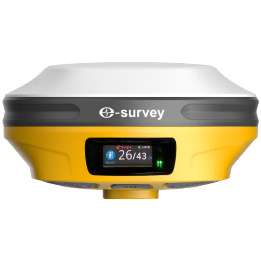 eRTK30
 eRTK10
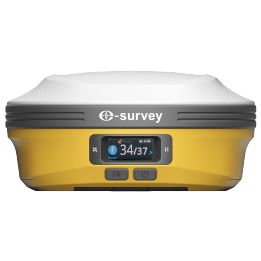 eRTK60
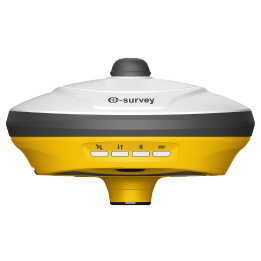 eBase 20
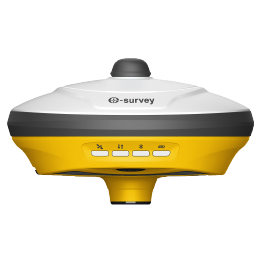 E200
E200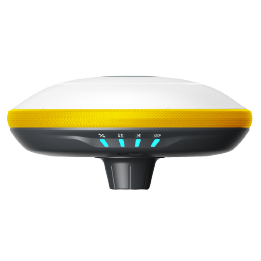 E300 Pro
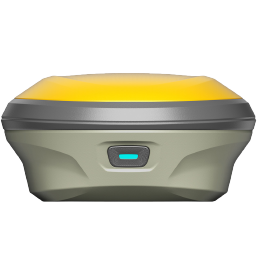 E500
E500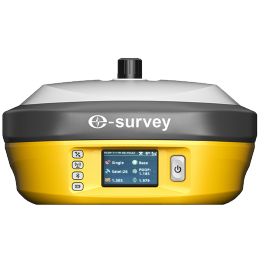 E800
E800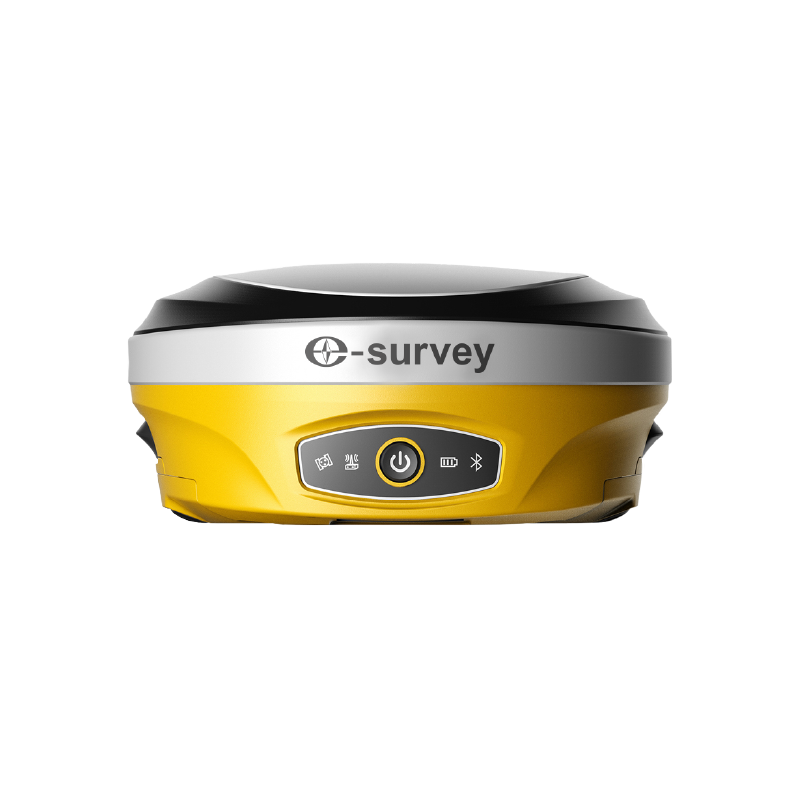 E600
E600 eDMR1
eDMR1 NET10
NET10 NET20 PLUS
 eHP10
eHP10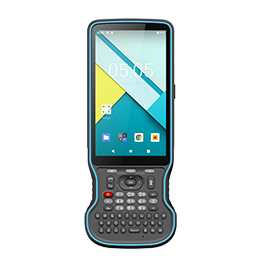 P8III
P8III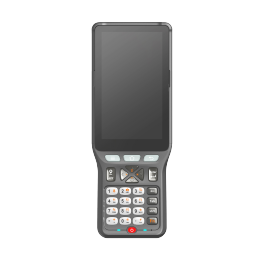 P9IV
P9IV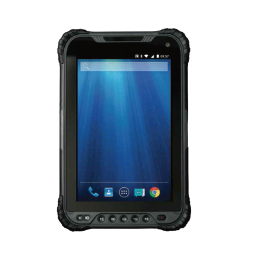 UT32
UT32 Surpad4.2
 GEOSolution
 GNSS.NET
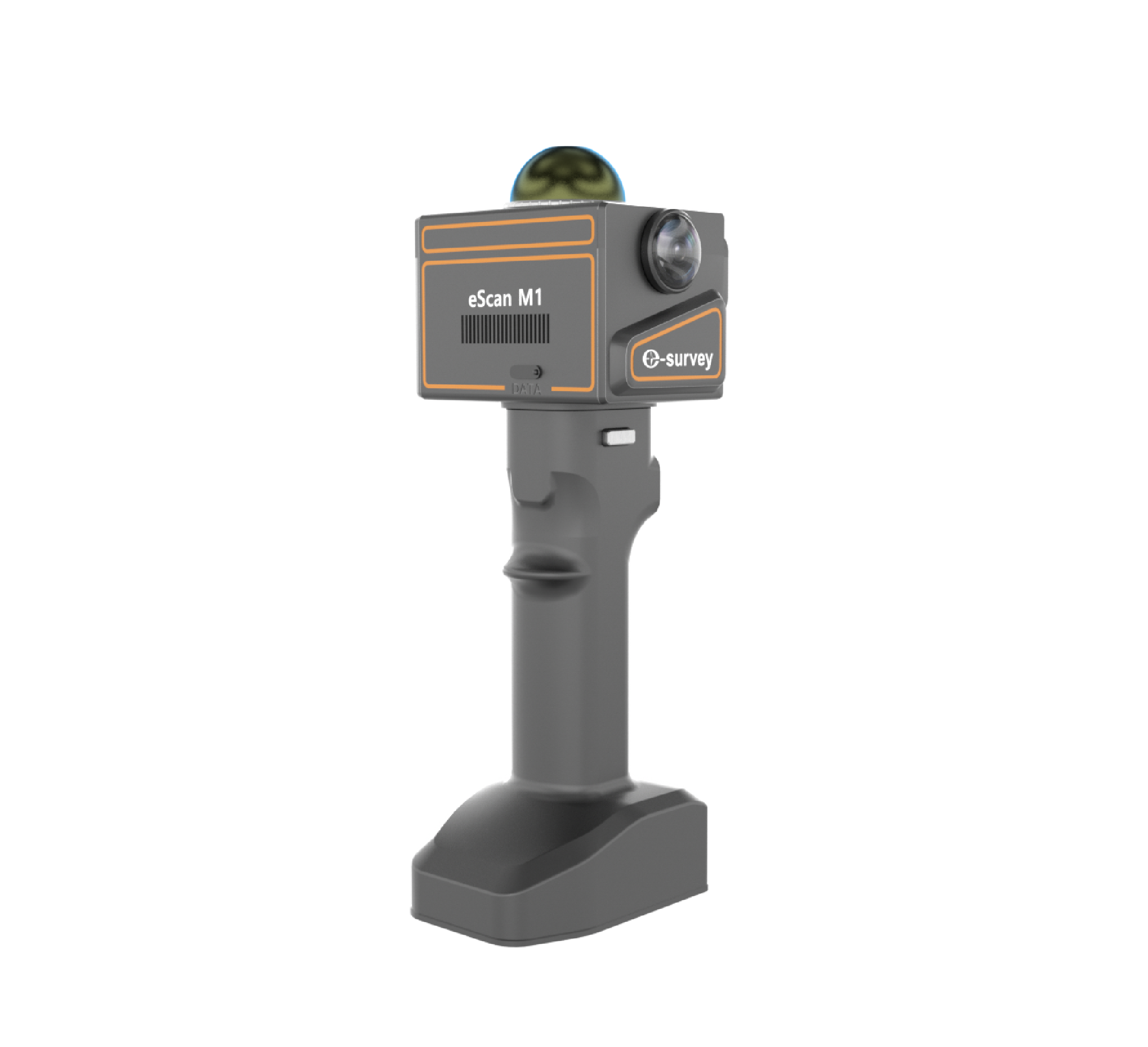
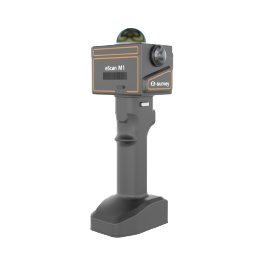 eScan M1
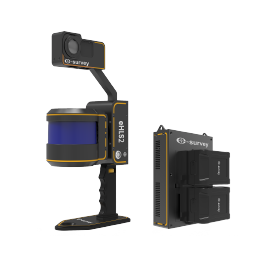 eHLS2
eHLS2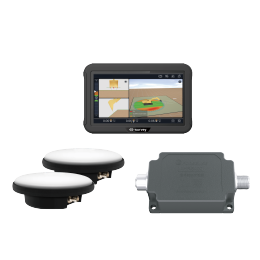 eME10
eME10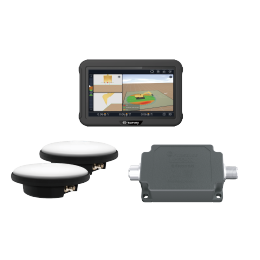 eME30
eME30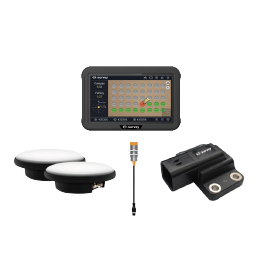 eMP10
eMP10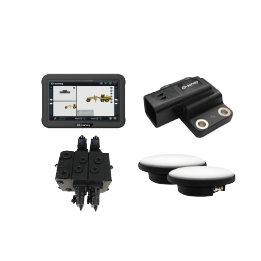 eMG30
eMG30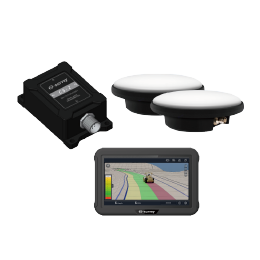 eMR10
eMR10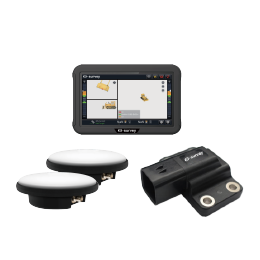 eMB10
eMB10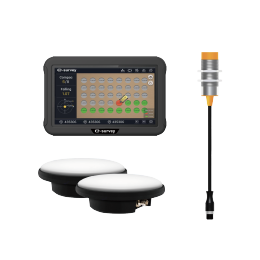 eMC10
eMC10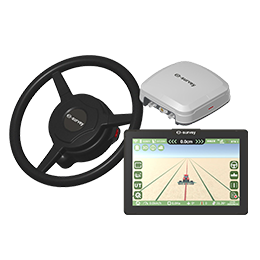 EAS502
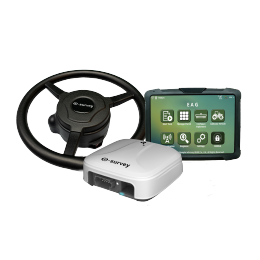 Bestar 301
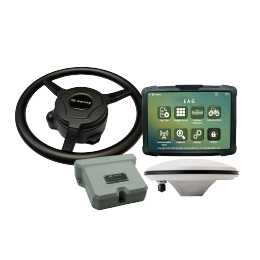
 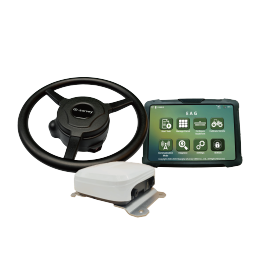 EAS301 Pro Motor
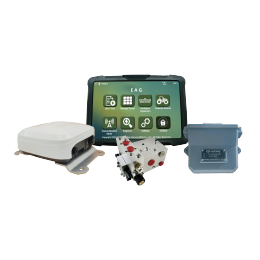 EAS301 Pro Hydraulic
 EAS100
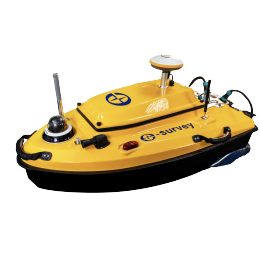 VE115
VE115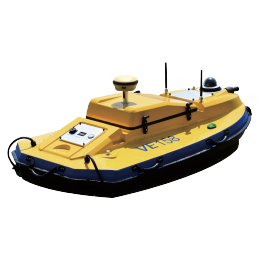 VE158
VE158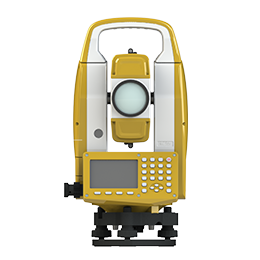 eTS32
eTS32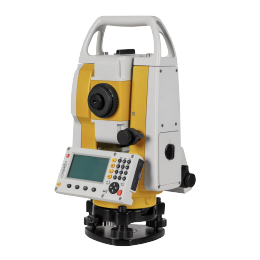 E3
E3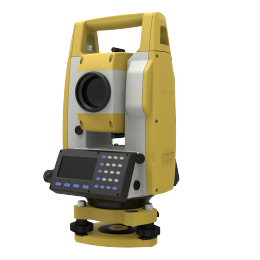 eTS2
eTS2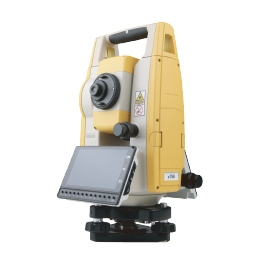 eTS8
eTS8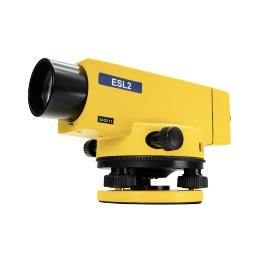 ESL2
ESL2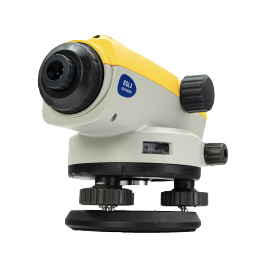 ESL3
ESL3 ET2A
ET2A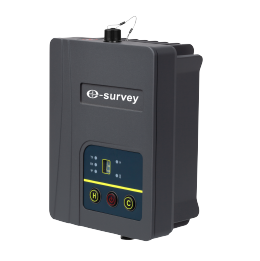 TRU35
TRU35 UA91
UA91 UA92
UA92 UA35
UA35