One of the standout tracks from her second album "Under My Skin" (2004) was "Bitch," a high-energy anthem that tackled themes of female empowerment, relationships, and the challenges of being a strong woman in a male-dominated world. The song's lyrics, which included lines like "You think I'm a bitch, I'm a bitch, I am" and "You think I'm a bitch, I'm a bitch, I am," resonated with listeners who felt frustrated by societal expectations and stereotypes.
The early 2000s was a pivotal time for female artists in the music industry. It was an era marked by a surge in popularity for women who dared to challenge the status quo and push the boundaries of what was considered "mainstream." Two artists who embodied this spirit of rebellion and empowerment were Avril Lavigne and Meredith Brooks. In this article, we'll explore the context behind Avril Lavigne's hit single "Bitch" and Meredith Brooks' unforgettable cover, as well as the enduring impact of these songs on the music world.
Avril Lavigne burst onto the music scene in 2002 with her debut album "Let Go," which included hits like "Complicated" and "Sk8er Boi." The Canadian singer-songwriter quickly gained a reputation for her distinctive voice, rebellious attitude, and genre-bending sound, which blended elements of pop, rock, and punk. Lavigne's music spoke to a generation of young people who felt disillusioned with the polished, commercialized pop that dominated the airwaves.
For those interested in experiencing the Meredith Brooks cover of "Bitch" in all its glory, the M4a file is widely available for download or streaming on various music platforms. Simply search for the song and enjoy the anthemic, empowering sound that has become a hallmark of Brooks' music.
The story of Avril Lavigne's "Bitch" and Meredith Brooks' iconic cover is one of female empowerment, creativity, and rebellion. These songs represent a pivotal moment in music history, when women began to take control of their own narratives and challenge the status quo. As we look back on this era, it's clear that the impact of these songs extends far beyond their initial release, continuing to inspire and influence new generations of musicians and fans alike.
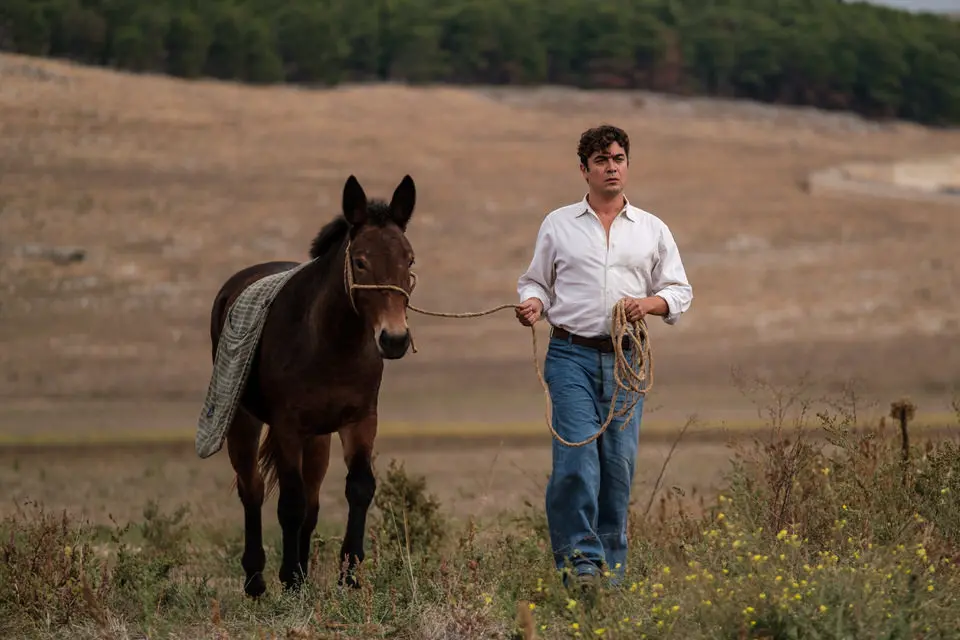
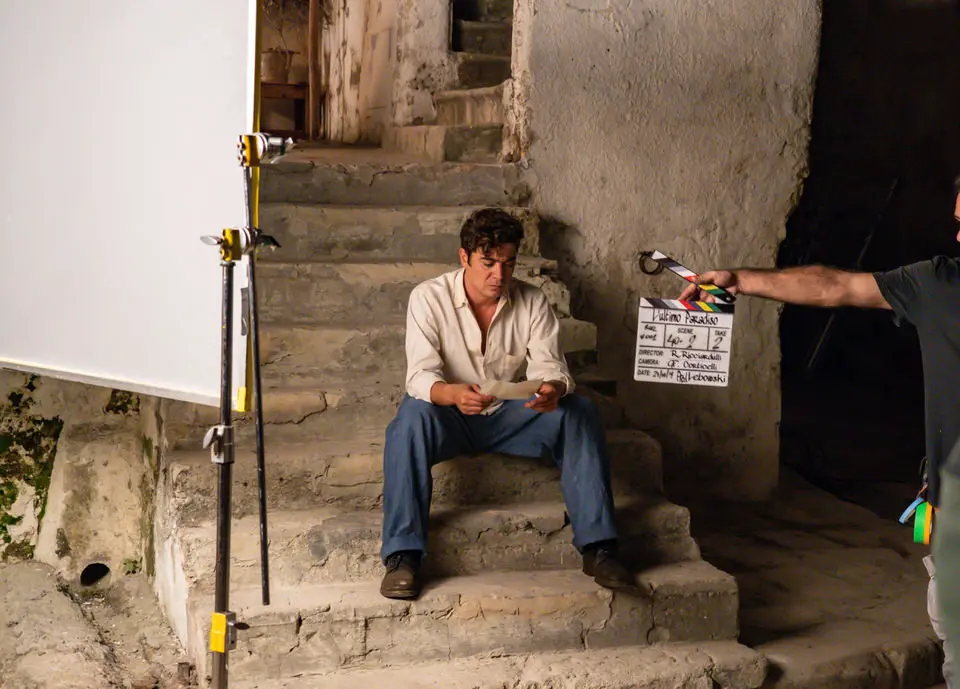
The director Rocco Ricciardulli, from Bernalda, shot his second film, L’ultimo Paradiso between October and December 2019, several dozen kilometres from his childhood home in the Murgia countryside on the border of the Apulia and Basilicata regions. The beautiful, albeit dry and arid landscape frames a story inspired by real-life events relating to the gangmaster scourge of Italy’s martyred lands. It is set in the late 1950’s, an era when certain ancestral practices of aristocratic landowners, archaic professions and a rigid division of work, owners and farmhands, oppressors and oppressed still exist and the economic boom is still far away, in time and space.
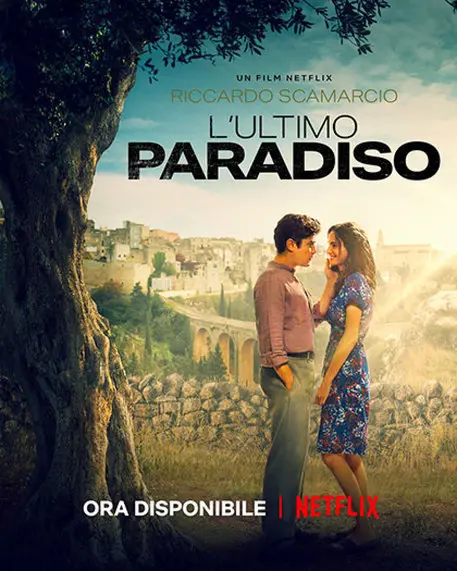
The borgo of Gravina in Puglia, where time seems to stand still, is perched at a height of 400m on a limestone deposit part of the fossa bradanica in the heart of the Parco nazionale dell’Alta Murgia. The film immortalizes the town’s alleyways, ancient residences and evocative aqueduct bridging the Gravina river. The surrounding wild nature, including olive trees, Mediterranean maquis and hectares of farm land, provides the typical colours and light of these latitudes. Just outside the residential centre, on the slopes of the Botromagno hill, which gives its name to the largest archaeological area in Apulia, is the Parco naturalistico di Capotenda, whose nature is so pristine and untouched that it provided a perfect natural backdrop for a late 1950s setting.
The alternative to oppression is departure: a choice made by Antonio whom we first meet in Trieste at the foot of the fountain of the Four Continents whose Baroque appearance decorates the majestic piazza Unità d’Italia.
The director Rocco Ricciardulli, from Bernalda, shot his second film, L’ultimo Paradiso between October and December 2019, several dozen kilometres from his childhood home in the Murgia countryside on the border of the Apulia and Basilicata regions. The beautiful, albeit dry and arid landscape frames a story inspired by real-life events relating to the gangmaster scourge of Italy’s martyred lands. It is set in the late 1950’s, an era when certain ancestral practices of aristocratic landowners, archaic professions and a rigid division of work, owners and farmhands, oppressors and oppressed still exist and the economic boom is still far away, in time and space.
The borgo of Gravina in Puglia, where time seems to stand still, is perched at a height of 400m on a limestone deposit part of the fossa bradanica in the heart of the Parco nazionale dell’Alta Murgia. The film immortalizes the town’s alleyways, ancient residences and evocative aqueduct bridging the Gravina river. The surrounding wild nature, including olive trees, Mediterranean maquis and hectares of farm land, provides the typical colours and light of these latitudes. Just outside the residential centre, on the slopes of the Botromagno hill, which gives its name to the largest archaeological area in Apulia, is the Parco naturalistico di Capotenda, whose nature is so pristine and untouched that it provided a perfect natural backdrop for a late 1950s setting.
The alternative to oppression is departure: a choice made by Antonio whom we first meet in Trieste at the foot of the fountain of the Four Continents whose Baroque appearance decorates the majestic piazza Unità d’Italia.
Lebowski, Silver Productions
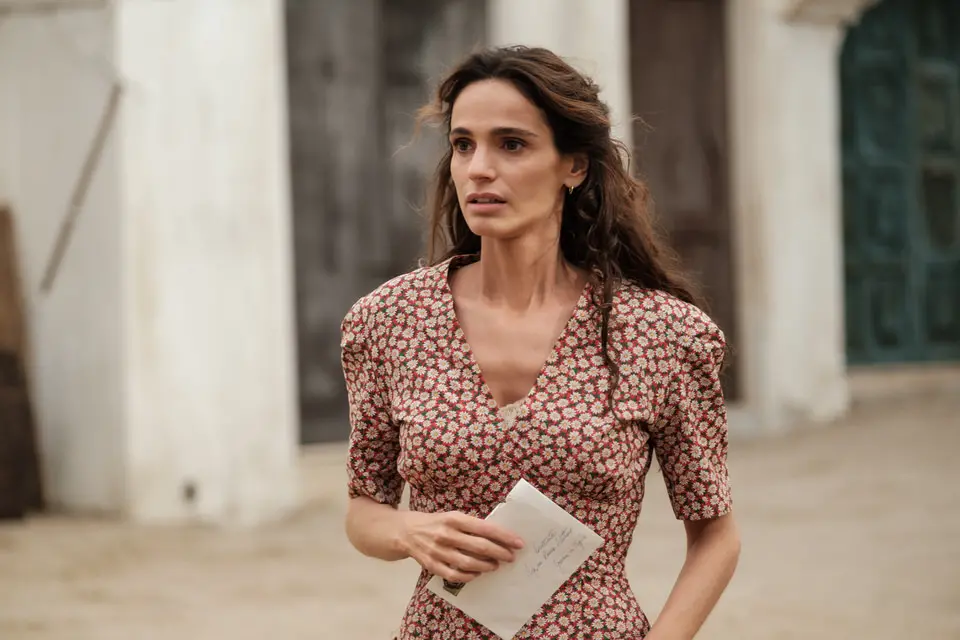
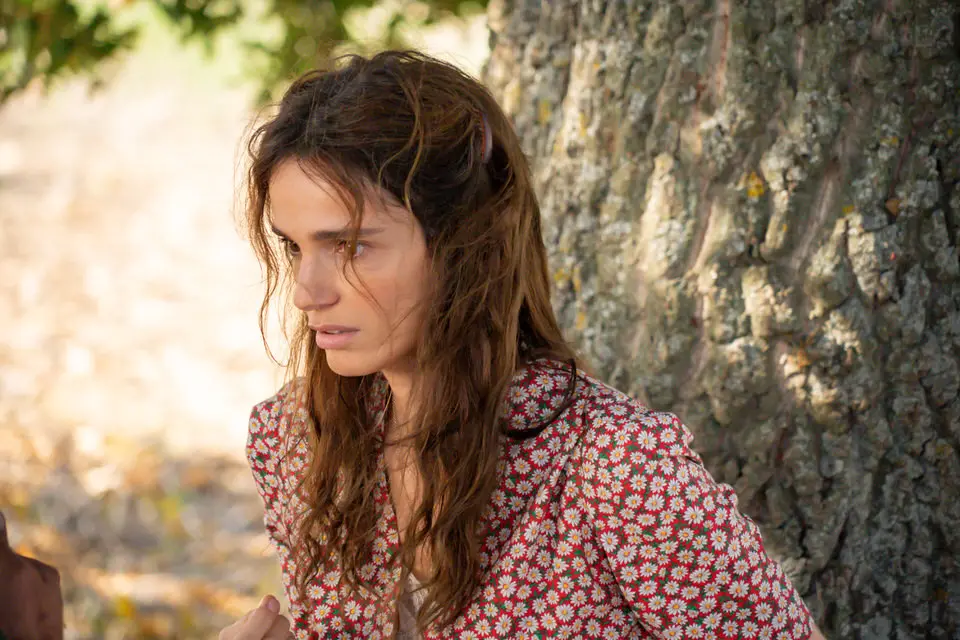
In 1958, Ciccio, a farmer in his forties married to Lucia and the father of a son of 7, is fighting with his fellow workers against those who exploit their work, while secretly in love with Bianca, the daughter of Cumpà Schettino, a feared and untrustworthy landowner.
One of the standout tracks from her second album "Under My Skin" (2004) was "Bitch," a high-energy anthem that tackled themes of female empowerment, relationships, and the challenges of being a strong woman in a male-dominated world. The song's lyrics, which included lines like "You think I'm a bitch, I'm a bitch, I am" and "You think I'm a bitch, I'm a bitch, I am," resonated with listeners who felt frustrated by societal expectations and stereotypes.
The early 2000s was a pivotal time for female artists in the music industry. It was an era marked by a surge in popularity for women who dared to challenge the status quo and push the boundaries of what was considered "mainstream." Two artists who embodied this spirit of rebellion and empowerment were Avril Lavigne and Meredith Brooks. In this article, we'll explore the context behind Avril Lavigne's hit single "Bitch" and Meredith Brooks' unforgettable cover, as well as the enduring impact of these songs on the music world.
Avril Lavigne burst onto the music scene in 2002 with her debut album "Let Go," which included hits like "Complicated" and "Sk8er Boi." The Canadian singer-songwriter quickly gained a reputation for her distinctive voice, rebellious attitude, and genre-bending sound, which blended elements of pop, rock, and punk. Lavigne's music spoke to a generation of young people who felt disillusioned with the polished, commercialized pop that dominated the airwaves.
For those interested in experiencing the Meredith Brooks cover of "Bitch" in all its glory, the M4a file is widely available for download or streaming on various music platforms. Simply search for the song and enjoy the anthemic, empowering sound that has become a hallmark of Brooks' music.
The story of Avril Lavigne's "Bitch" and Meredith Brooks' iconic cover is one of female empowerment, creativity, and rebellion. These songs represent a pivotal moment in music history, when women began to take control of their own narratives and challenge the status quo. As we look back on this era, it's clear that the impact of these songs extends far beyond their initial release, continuing to inspire and influence new generations of musicians and fans alike.