However, the human element remains king. As smartphones get cheaper and data faster, the barrier to entry disappears. The village baker in Malang can now be a national star. The ojek (motorcycle taxi) driver in Bandung can tell a story that makes Jakarta laugh. Indonesian entertainment and popular videos are not a trend; they are the default state of leisure for 278 million people. From the hyper-commercial gloss of Rans Entertainment to the raw acoustic covers filmed in a rice field, the industry thrives on authenticity and adaptability.
In the last decade, the landscape of global media has fragmented. While Hollywood once held a monolithic grip on Southeast Asian pop culture, a new epicenter has emerged in the archipelago of Indonesia. Today, Indonesian entertainment and popular videos are no longer regional secrets; they are a explosive industry that rivals K-Pop in growth and outpaces local competitors in raw viewership.
Platforms like Vidio (a local streaming service) and WeTV have mastered the short-form drama. Unlike Western prestige TV with 50-minute episodes, Indonesian web series run for 10 to 15 minutes. Genres range from religious dramas ( Sajadah Panjang ) to horror komedi ( Warkop DKI Reborn ).
This shift gave birth to a unique viewing habit: vertical video narratives. Popular videos are now shot, edited, and consumed on a 6-inch screen. Producers realized that writing for a portrait orientation requires different pacing—quicker cuts, louder sounds, and immediate emotional payoff. This has led to a hyper-specific style of digital content that feels frantic, genuine, and deeply addictive to the local netizen . While TikTok grows globally, YouTube remains the bedrock of Indonesian entertainment and popular videos . The platform operates differently here. Unlike the West, where music videos dominate the trending page, Indonesian YouTube is ruled by sketches, pranks, and daily vlogs. The Genius of Rans Entertainment Take the phenomenon of Rans Entertainment , founded by celebrity couple Raffi Ahmad and Nagita Slavina. They didn't just start a vlog; they built a media empire. Their videos—ranging from $10,000 shopping sprees to intimate moments with their son Rafathar—regularly garner 20-30 million views within 48 hours. Why? Because in Indonesian culture, kesederhanaan (humility) mixed with kemewahan (luxury) creates the perfect aspirational formula. Atta Halilintar : The First Family of Viral Video Atta Halilintar, dubbed the "Billionaire of YouTube," turned family chaos into cash. His "We are Family" channel documented the lives of 20 siblings living under one roof. The raw, unfiltered nature of his popular videos—arguments, celebrations, and religious rituals—resonated deeply with the communal values of Indonesian society. For international marketers, these channels represent a case study in trust-based influencer economics. Digital Soap Operas: The Web Series Revolution Traditional television ratings in Indonesia have plummeted, but storytelling hasn't died—it has migrated. Web series (drama and comedy mini-series) have become the hottest ticket in Indonesian entertainment .
For the last five years, "Cringe Comedy" (genuinely awkward, poorly acted, but ironically funny) ruled platforms like LAPOR PAK! (a viral complaint page). However, the new wave is the Stand-Up Comedy spillover. Comedians like Raditya Dika and Mongol Stres turned their stage sets into YouTube popular videos. These "podcast-vlogs" feature four comics sitting on a worn sofa, discussing ghost stories and warteg (street food stalls) for two hours. These unedited, raw conversations regularly top the charts, outpacing polished Hollywood trailers. Indonesian music has always been distinct ( Dangdut, Pop Melayu, Rock ), but the music video genre has exploded. Dangdut divas like Via Vallen and Nella Kharisma realized early that YouTube views translate to concert ticket sales.
.png)

 eRTK10 mini
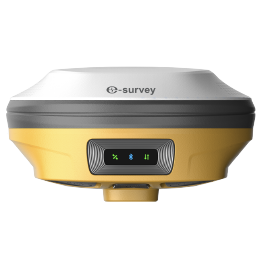 eRTK20
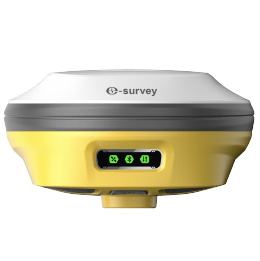 eRTK25
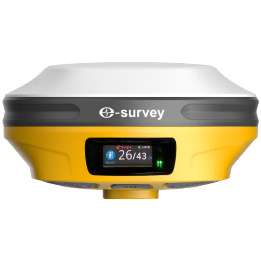 eRTK30
 eRTK60
 eBase 20
 E200
E200 E300 Pro
 E500
E500 E800
E800 E600
E600 eDMR1
eDMR1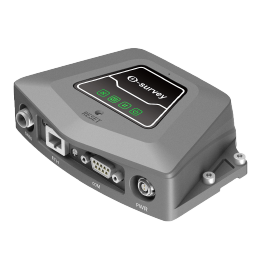 NET10
NET10 NET20 PLUS
 eHP10
eHP10 P8III
P8III P9IV
P9IV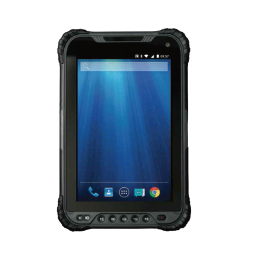 UT32
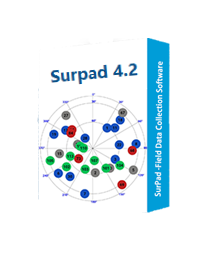
UT32 Surpad4.2
 GEOSolution
 GNSS.NET
 eScan M1
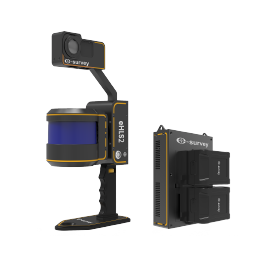 eHLS2
eHLS2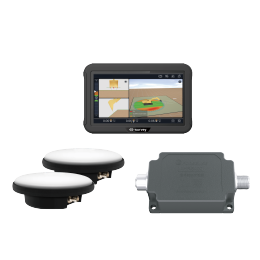 eME10
eME10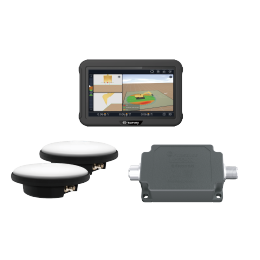 eME30
eME30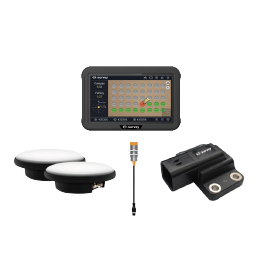 eMP10
eMP10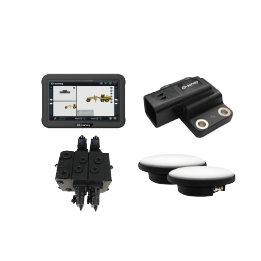 eMG30
eMG30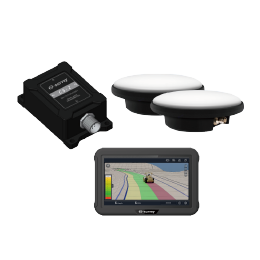 eMR10
eMR10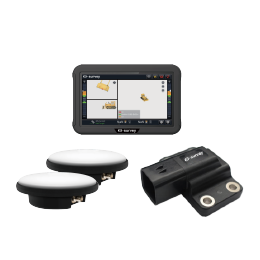 eMB10
eMB10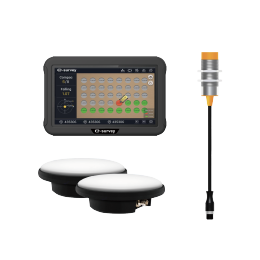 eMC10
eMC10 EAS502
 Bestar 301
  EAS301 Pro Motor
 EAS301 Pro Hydraulic
 EAS100
 VE115
VE115 VE158
VE158 eTS32
eTS32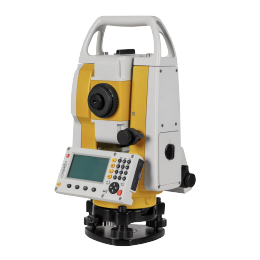 E3
E3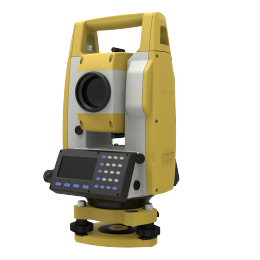 eTS2
eTS2 eTS8
eTS8 ESL2
ESL2 ESL3
ESL3 ET2A
ET2A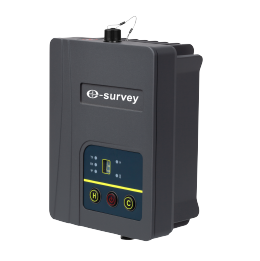 TRU35
TRU35 UA91
UA91 UA92
UA92 UA35
UA35