|
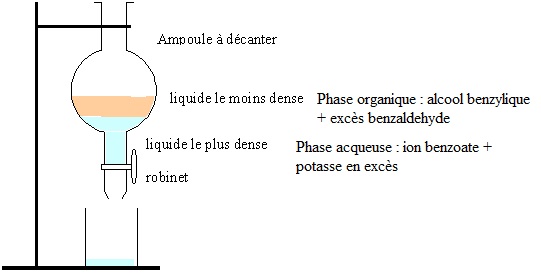
Synthèse de Cannizzaro, bac Métropole 2021. En poursuivant votre navigation sur ce site, vous acceptez l’utilisation de Cookies vous proposant des publicités adaptées à vos centres d’intérêts. ..
..
Boredom v1 is a complex and multifaceted phenomenon that affects people of all ages and backgrounds. By understanding the causes, consequences, and types of boredom v1, we can develop effective strategies for coping with this pervasive mental state. Whether it's through finding engaging activities, practicing mindfulness, or reframing boredom v1, there are many ways to overcome the negative effects of boredom v1 and cultivate a more fulfilling and meaningful life. The concept of boredom v1 has been around for centuries, with philosophers and writers describing states of listlessness, melancholy, and ennui. However, it wasn't until the late 19th century that boredom v1 began to be studied systematically. In 1895, the French philosopher and psychologist, Henri Bergson, wrote about the concept of "ennui," a state of boredom v1 and listlessness that he saw as a fundamental aspect of modern life. Since then, researchers have continued to explore the causes, consequences, and manifestations of boredom v1. boredom v1 Boredom v1, a term used to describe a state of mind characterized by a lack of interest, excitement, or stimulation, is a ubiquitous experience that affects people of all ages, cultures, and backgrounds. It's a mental state that can arise from a variety of situations, from mundane daily routines to a lack of meaningful activities or social interactions. Despite its prevalence, boredom v1 is often misunderstood or stigmatized, with many people viewing it as a personal failing or a sign of laziness. However, research suggests that boredom v1 is a complex and multifaceted phenomenon that can have significant consequences for our mental and physical well-being. Boredom v1 is a complex and multifaceted phenomenon
|
||||||||
|
|
||||||||