



product description

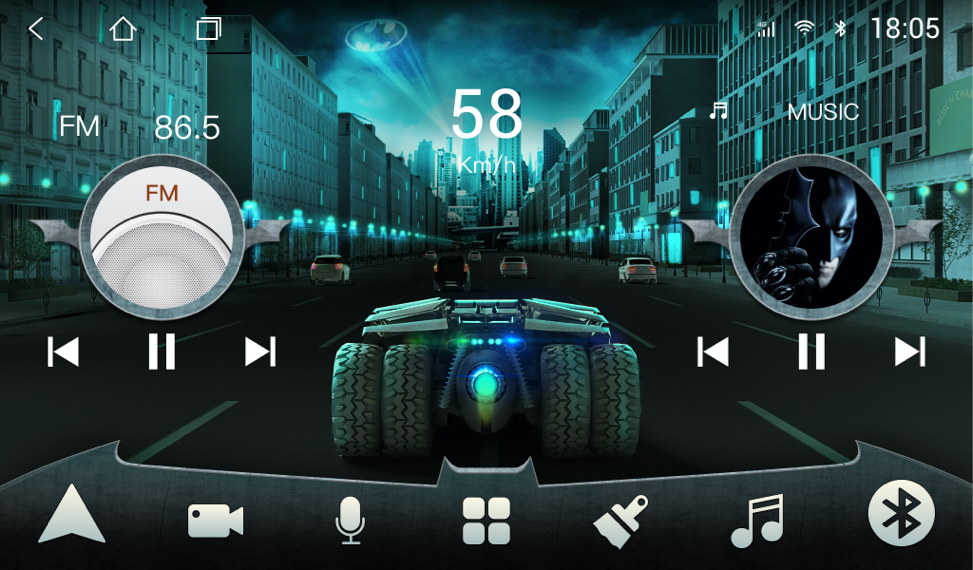
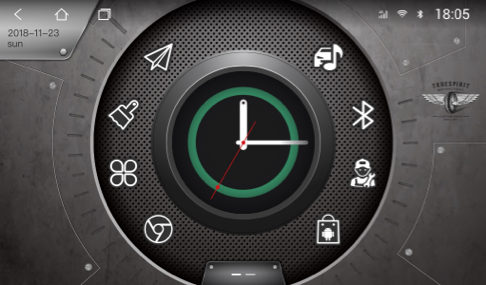
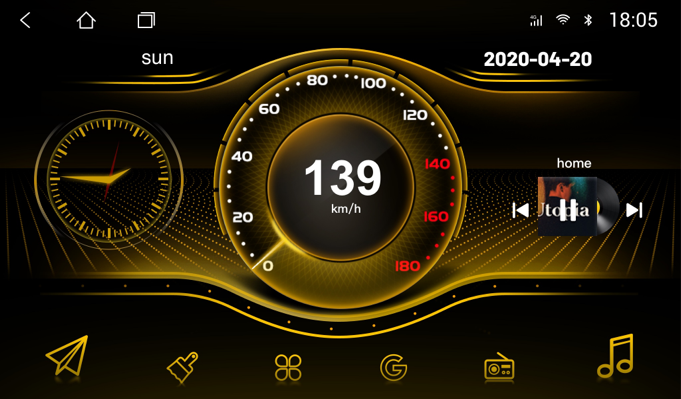
Not limited to a single theme framework, create 9 types of themes with different styles, there is always one that suits your taste!

Of course it's more than just looking good! When you drive on the road, you will find that the theme has rich dynamic effects, such as driving, instrumentation, ADAS, weather, etc., is it very interesting?

The shortcut icons on the desktop can be customized in style and function, and operate in the way you are used to!

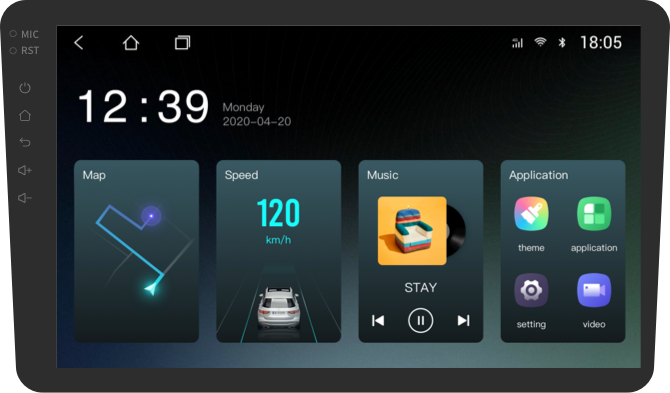
product description

product description
Currently suitable resolutions are as follows:
Landscape contains: 1024x600、1024x768、1280x800、1280x480、2000x1200
Vertical screen includes: 768x1024、800x1280、1080x1920
If your car is different, it will use close resolution by default
Cars of Dingwei solution can use all the functions of the theme software, but some of the functions of cars of other solution providers are not available.

In addition to a single purchase, you can also


The phrase also holds significant cultural and spiritual connotations. In Meitei mythology, the gods are believed to play an active role in the lives of humans. By uttering "Etei Na Thu Naba Wari," individuals sought to connect with the divine, appealing for protection, guidance, and blessings.
According to historical accounts, the phrase was first uttered by the great king, Nongda Lairen Pakhangba (also known as Pakhangba), who ruled Manipur from 2340 to 2250 BCE. During his reign, the kingdom faced a severe drought, and the people were on the brink of starvation. The king, determined to save his people, prayed to the gods, saying "Etei Na Thu Naba Wari," seeking their divine intervention to end the drought and restore prosperity. etei na thu naba wari
In modern times, "Etei Na Thu Naba Wari" continues to hold significant relevance in Meitei society. The phrase has been invoked during various social and cultural movements, including the preservation of traditional Meitei culture, language, and history. The phrase also holds significant cultural and spiritual
In the realm of cultural expressions, certain phrases transcend their literal meanings to become ingrained in the collective consciousness of a community. "Etei Na Thu Naba Wari" is one such phrase that has captured the imagination of people across generations. Originating from the rich cultural heritage of the Meitei community in Manipur, India, this phrase has evolved into a symbol of resistance, resilience, and unity. In this article, we will delve into the history, significance, and contemporary relevance of "Etei Na Thu Naba Wari," exploring its impact on the cultural landscape of Manipur and beyond. According to historical accounts, the phrase was first
As we reflect on the significance of "Etei Na Thu Naba Wari," we are reminded of the power of cultural expressions to transcend time and geography. This phrase, rooted in the rich cultural heritage of the Meitei community, continues to inspire people around the world, offering a powerful reminder of the human spirit's capacity for resilience, courage, and determination.
In traditional Meitei society, "Etei Na Thu Naba Wari" was more than just a phrase – it was a way of life. The phrase was often recited during important ceremonies, festivals, and rituals, such as the Lai Haraoba festival, which honors the traditional Meitei deities.
Weekly update




Please contact us
In addition to these FAQs, if you have more questions, youcan join our community by Telegram: https://t.me/carmateapp