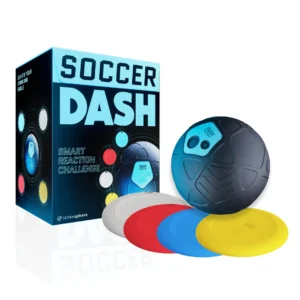
 Soccer Dash
£49.99
In stock
Awareness campaigns that rely solely on statistics are forgotten by lunchtime. Campaigns built on survivor narratives are shared over dinner tables, referenced in therapy sessions, and recalled at the voting booth. Historically, awareness campaigns treated survivors as case studies—anonymous, untouchable, and often voiceless. Most early anti-smoking or drunk-driving ads showed the aftermath (ambulances, graveyards) but rarely featured the person who lived through it.
The power of survivor stories lies in their authentic vulnerability . An AI can generate a sob story, but it cannot generate the tremor in a voice, the tear that falls at the exact right moment, or the shaky inhale before declaring "I survived." When audiences discover a story is faked, the entire campaign—and the organization behind it—loses all credibility. Kidnapping And Rape Of Carina Lau Ka Ling Video LINK
The shift began in the early 2000s with the rise of the #MeToo movement and the proliferation of video-based social media (YouTube, TikTok, Instagram Reels). Suddenly, survivors didn't need a news network to broadcast their truth; they had a smartphone. Awareness campaigns that rely solely on statistics are
This article explores why survivor narratives are the most potent tool in an awareness campaign, the ethical responsibilities of sharing trauma, and how these stories are driving real-world legislative and cultural change. To understand why survivor stories are so effective, we must look at neuroscience. When we listen to a cold statistic—"1 in 4 women will experience domestic violence"—the brain’s processing centers light up, but the emotional centers remain largely dormant. We register the fact, but we do not feel the fact. Most early anti-smoking or drunk-driving ads showed the
Soccer DashIn stock