 Bug
Bug
 Karmann Ghia
 Bay Bus
 Vanagon
 Eurovan
 Transporter T5
 Rabbit Mk1
 Golf Mk2


 911
911
 996
996
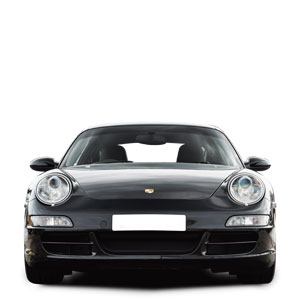 997
997
 986 Boxster
 987 Boxster
 912
912
 944
944
 924
924





Streaming services like Netflix, HBO, Apple TV+, and Hulu created an insatiable appetite for content. Suddenly, the industry needed hundreds of hours of programming, not just two-hour blockbusters. This volume required complex characters. Prestige TV allowed for slow-burn character studies that film studios had rejected. A 55-year-old woman wasn't just a plot device for a 90-minute movie; she could be the protagonist of a ten-hour season that explored her psychology, sexuality, and ambition.
The "youth market" has always been prized, but data has finally revealed a neglected behemoth: the female audience over 40. These women have disposable income, loyalty, and an intense desire to see their lives reflected on screen. Studios realized that a film starring a 60-year-old woman could be a global blockbuster—if the story was good. Mamma Mia! Here We Go Again and The Devil Wears Prada (which launched Meryl Streep into a new generation) proved that mature women drive box office sales.
That is not a tragedy. That is the best plot Hollywood ever ignored. And now, finally, the world is ready to listen.
The ingénue is beautiful, yes. But the woman who has earned her scars, her wisdom, and her rage? She is unforgettable. And she is here to stay.
However, challenges remain. The industry is still ageist regarding actresses of color, who often face a double standard. The "mature woman" is often still coded as white and wealthy. Furthermore, while "legendary" actresses get roles, the "average" 55-year-old actress still struggles for a speaking part. The mature woman in entertainment has moved from the periphery to the center. She is no longer the wise grandmother who dies in the first act to motivate the hero. She is the reluctant hero. She is the anti-heroine. She is the messy lover, the ruthless CEO, the foul-mouthed friend, and the raging mother.
For decades, high-definition cameras were the enemy of the older actress. Lighting was designed to hide "flaws." Today, we are seeing a rebellion against the "Instagram filter" aesthetic.
For decades, the landscape of cinema and entertainment was governed by a cruel arithmetic. A male actor’s value appreciated like fine wine with age, leading to iconic roles as grizzled generals, cynical detectives, or aging billionaires. For women, however, the trajectory was tragically different. Turning 40 in Hollywood was historically perceived not as a milestone, but as a mausoleum door. The industry whispered that older women were no longer bankable, no longer desirable, and—most painfully—no longer visible.
The message was clear: A woman’s narrative value expired when her "beauty" did. So, what broke the dam? Three major forces converged over the last decade.