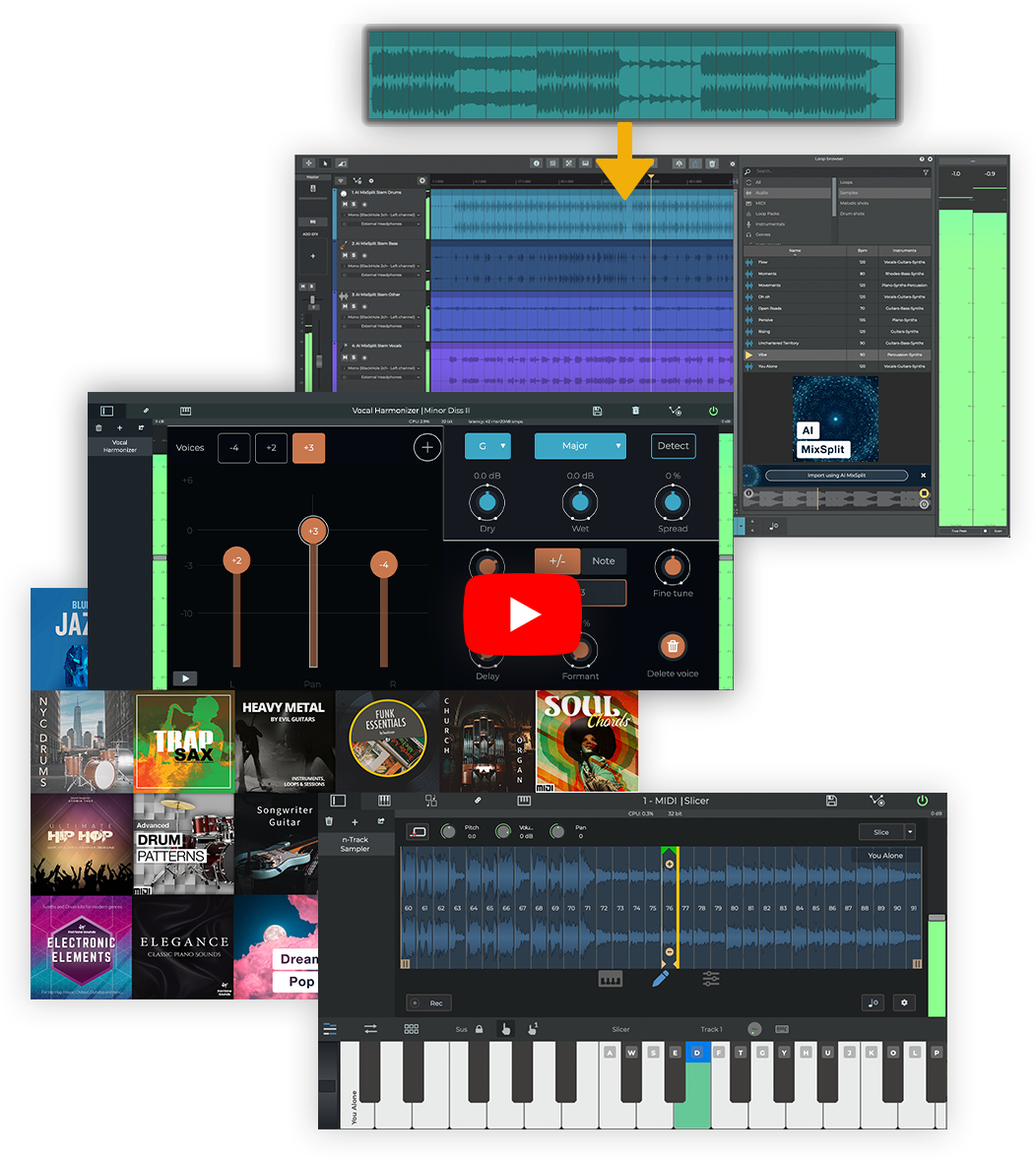
n-Track Studio 10 adds new creativity boosting tools and effects
By using this site you agree to our Terms and Conditions. Please Accept these before using the site.

With custom sound import - a playground for creativity
From VocalTune to Convolverb, DEnoiser to Amps
Use the power of AI to split full songs into separate tracks!
Find your next collab and upload your music
15GB+ selection of royalty free loops, projects and samples
Use n-Track 10 on all your Windows, Mac, Linux, Android and iOS devices.
Effortlessly navigate your projects.
Supports 5.1, 6.1 and 7.1
Craft your sonic signature with custom presets
In the landscape of modern advocacy, there is a force more powerful than statistics, more convincing than pamphlets, and more enduring than trending hashtags. That force is the human voice.
When we talk about , we are discussing the delicate, transformative intersection of personal trauma and public action. For decades, non-profits and health organizations relied on sterile data to warn the public. "One in four" is a jarring statistic, but it does not make a room fall silent. The story of one does.
But there is a third element often forgotten: the audience. You.
You do not have to be a survivor to be part of the campaign. You just have to be a listener . When you share a survivor’s post, when you donate to a campaign that centers lived experience, when you simply say, "I believe you"—you become the thread that stitches the fabric of safety back together.
Studies show that survivors who share their stories online lose an average of 2-3 hours of productivity dealing with skeptical comments or direct harassment. Modern campaigns must invest in robust comment moderation and community guidelines to protect the survivor's digital space. The Future of Survivor Advocacy We are entering the era of "Generative AI and Survivorship." There is a controversial debate happening in advocacy circles: Can an AI-generated story be as effective as a human one?
Call to Action: Are you running an awareness campaign? Consider reaching out to survivors in your community—not as case studies, but as collaborators. The most effective campaigns are co-authored by those who have lived the experience.
 n-Track