In recent years, a new subgenre of nasheeds has emerged, which we can refer to as emotional nasheeds. These nasheeds are characterized by their emotive and introspective soundscapes, often featuring slowed-down tempos, reverb, and heart-wrenching lyrics. The Sins Emotional Nasheed Slowed Reverb Better is a prime example of this subgenre, with its hauntingly beautiful vocals and poignant lyrics.
A nasheed is a type of Islamic music that originated in the Middle East and has since spread globally. The term "nasheed" comes from the Arabic word "nashid," which means "song" or "poem." Nasheeds typically feature vocals, instrumentation, and lyrics that focus on themes of faith, spirituality, and devotion. They often incorporate elements of Arabic and Islamic culture, making them a unique and essential part of Islamic artistic expression. the sins emotional nasheed slowed reverb better
The Sins Emotional Nasheed Slowed Reverb Better has gained a significant following worldwide, with many listeners praising its emotional resonance and spiritual depth. The nasheed features a slowed-down tempo, accompanied by reverb-affected vocals, which create a sense of intimacy and vulnerability. The lyrics explore themes of faith, sin, and redemption, making it a relatable and impactful listen. In recent years, a new subgenre of nasheeds
Q: What is the future of emotional nasheeds? A: As the popularity of emotional nasheeds continues to grow, it's likely that we'll see more artists experimenting with this genre, pushing the boundaries of Islamic music. A nasheed is a type of Islamic music
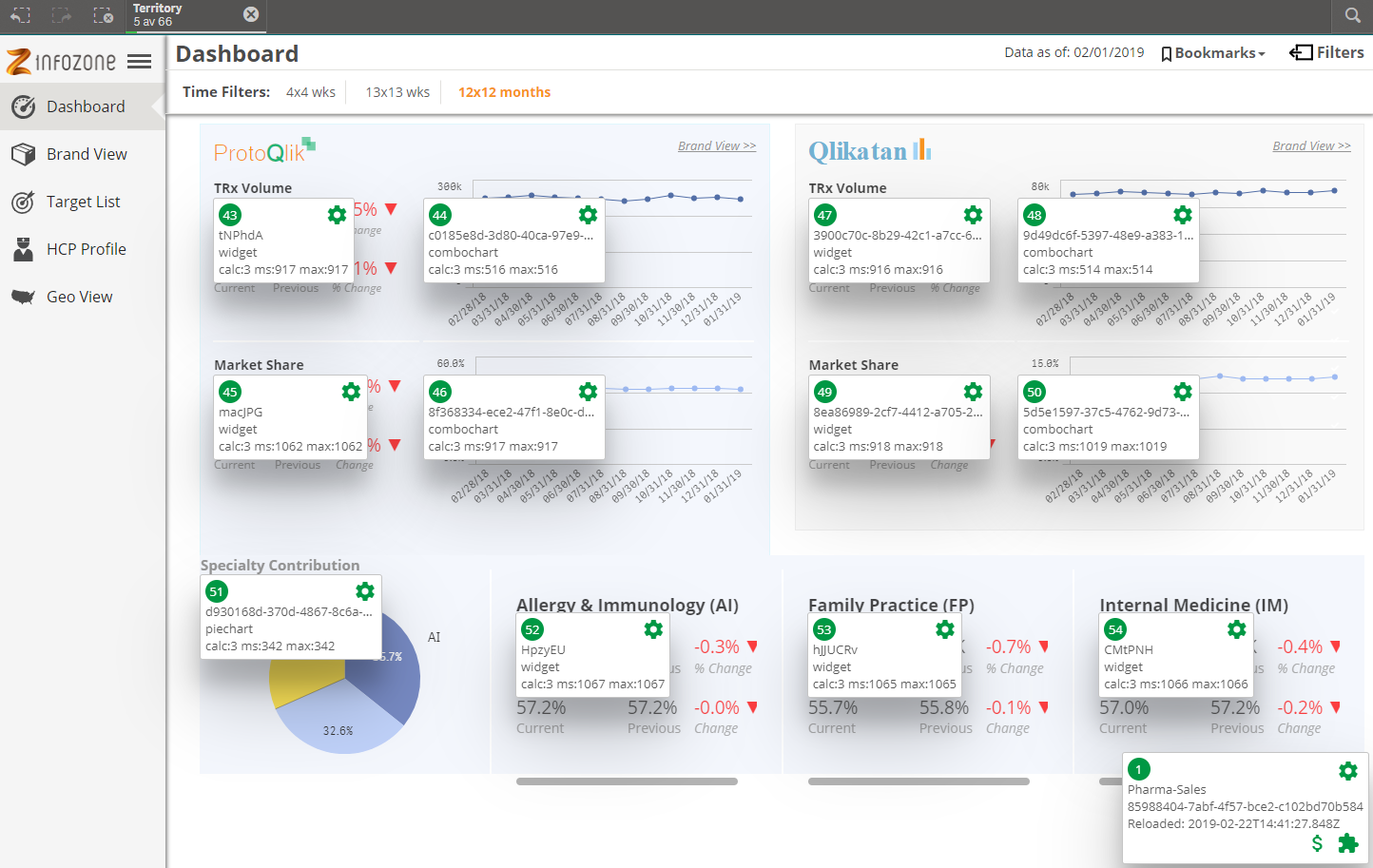
Add Sense for Chrome works in both the build-in Sense client and in mashups using the Capabilities APIs
Charts displayed with the API through getObject and visualization.show will be tagged.
Used app(s) will be displayed in the bottom right corner.
Properties and other buttons will work just as in the client.
If your mashup shows charts from more than one app, all will be listed.
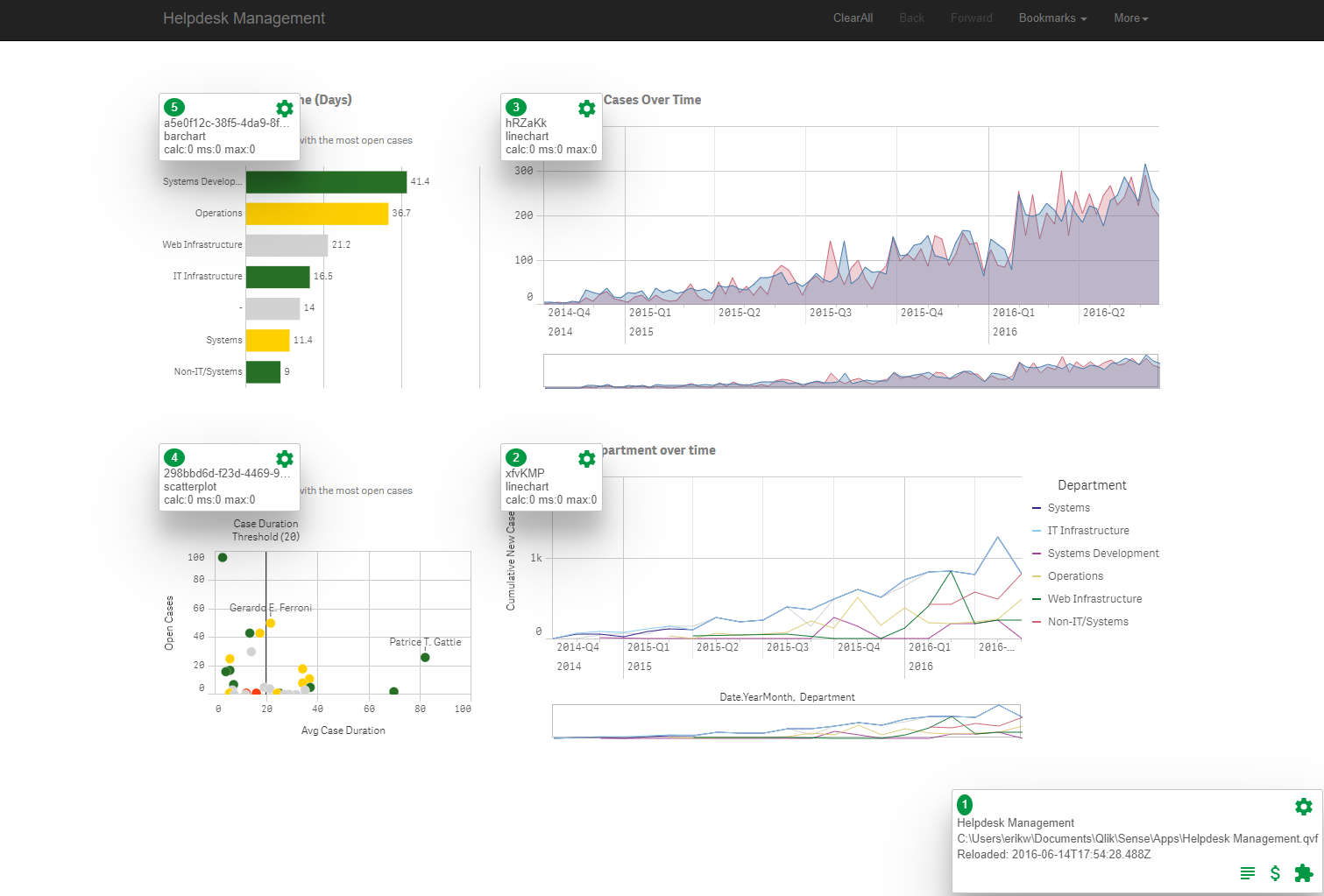
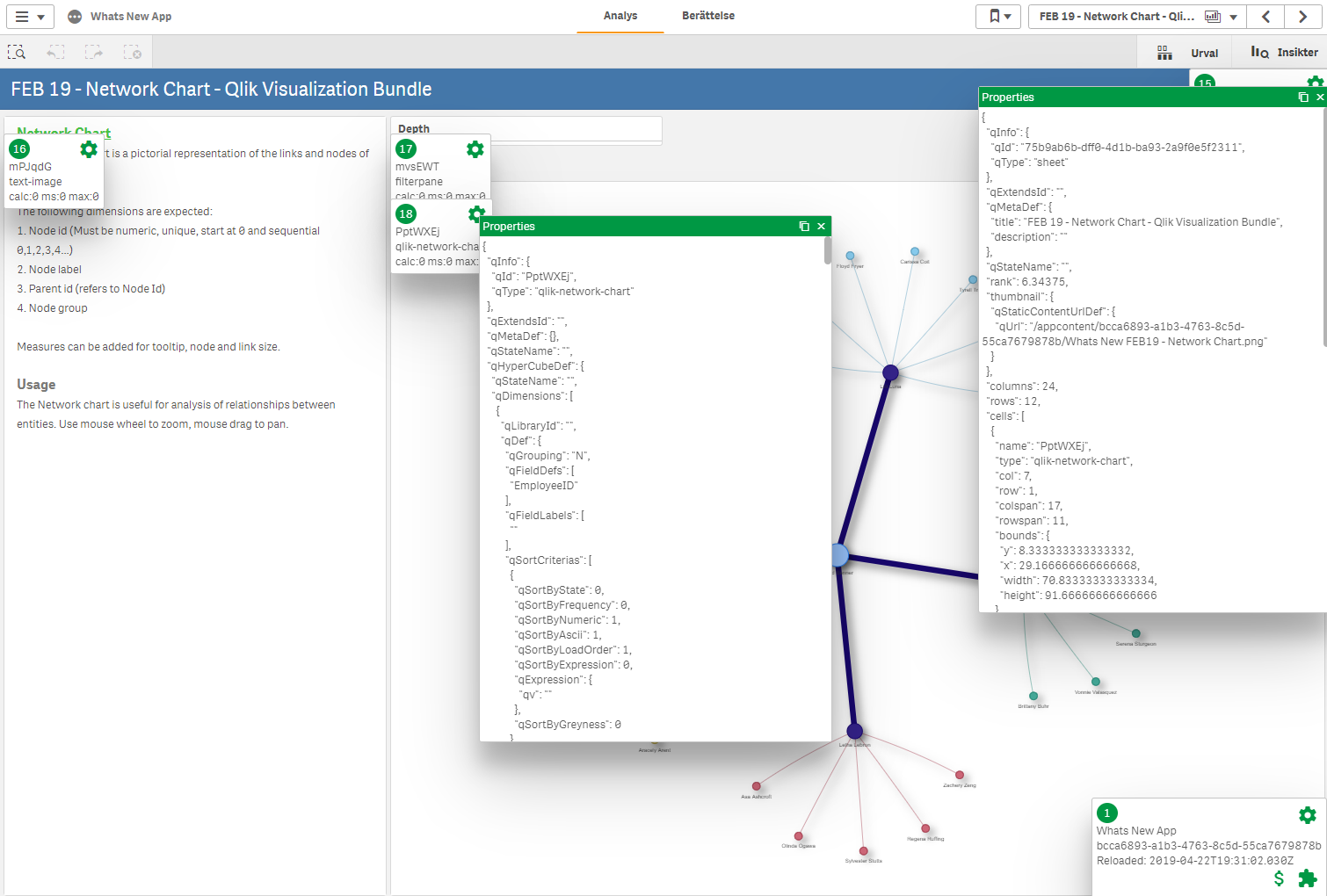
For all charts, sheets and the app you can click on the cogwheel.
That will display the properties for the object.
Use this to troubleshoot or to investigate what settings produce this chart.
You can display several objects properties at the same time, to make comparisons.
Properties can also be copied to clipboard.
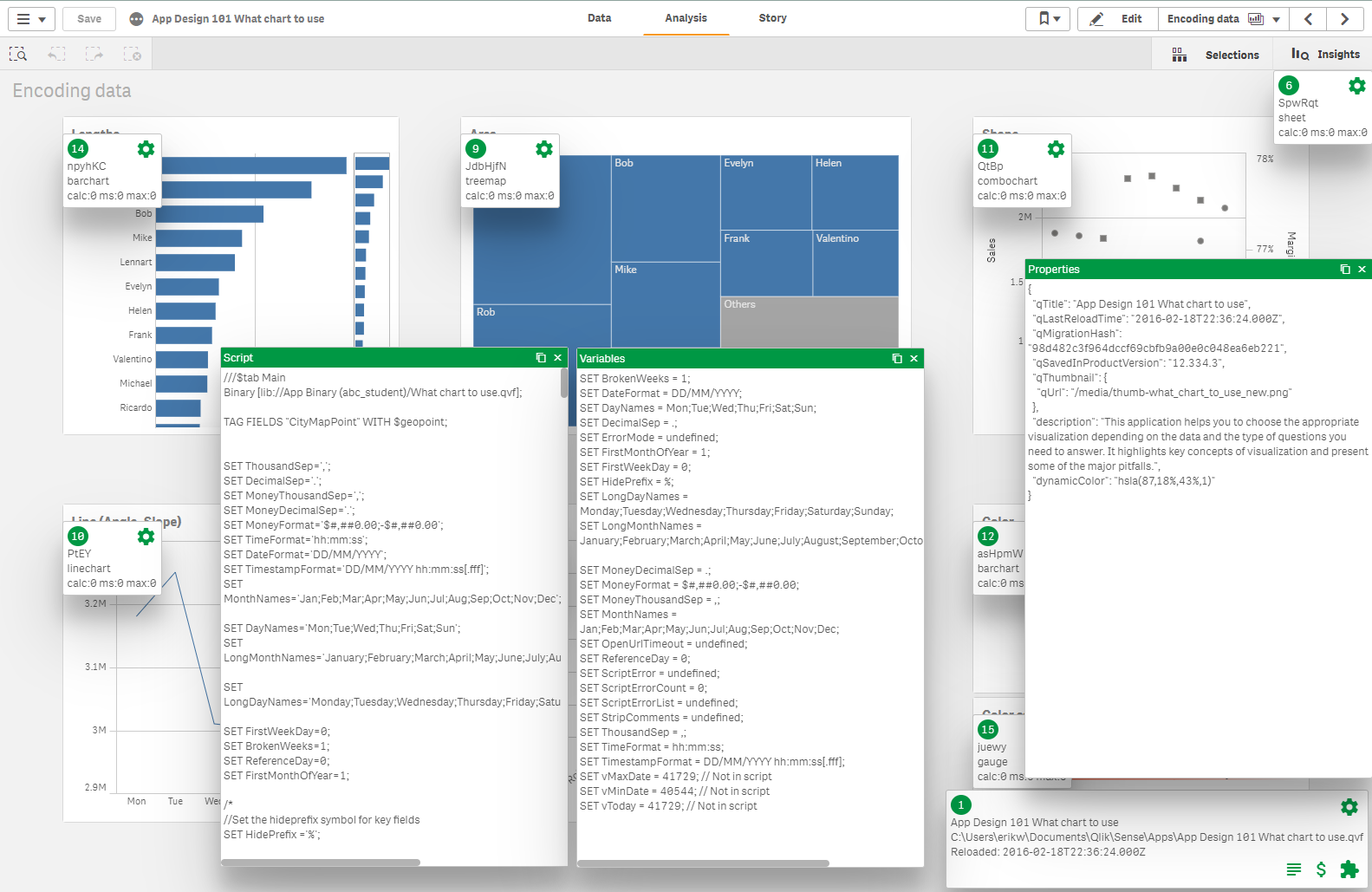
From the app box you can inspect the script, variables and app properties.
Windows can be open at the same time and moved.
You can also copy window contents, complete or partly, to the clipboard.
If you do not have access to the script the script button will not be available.
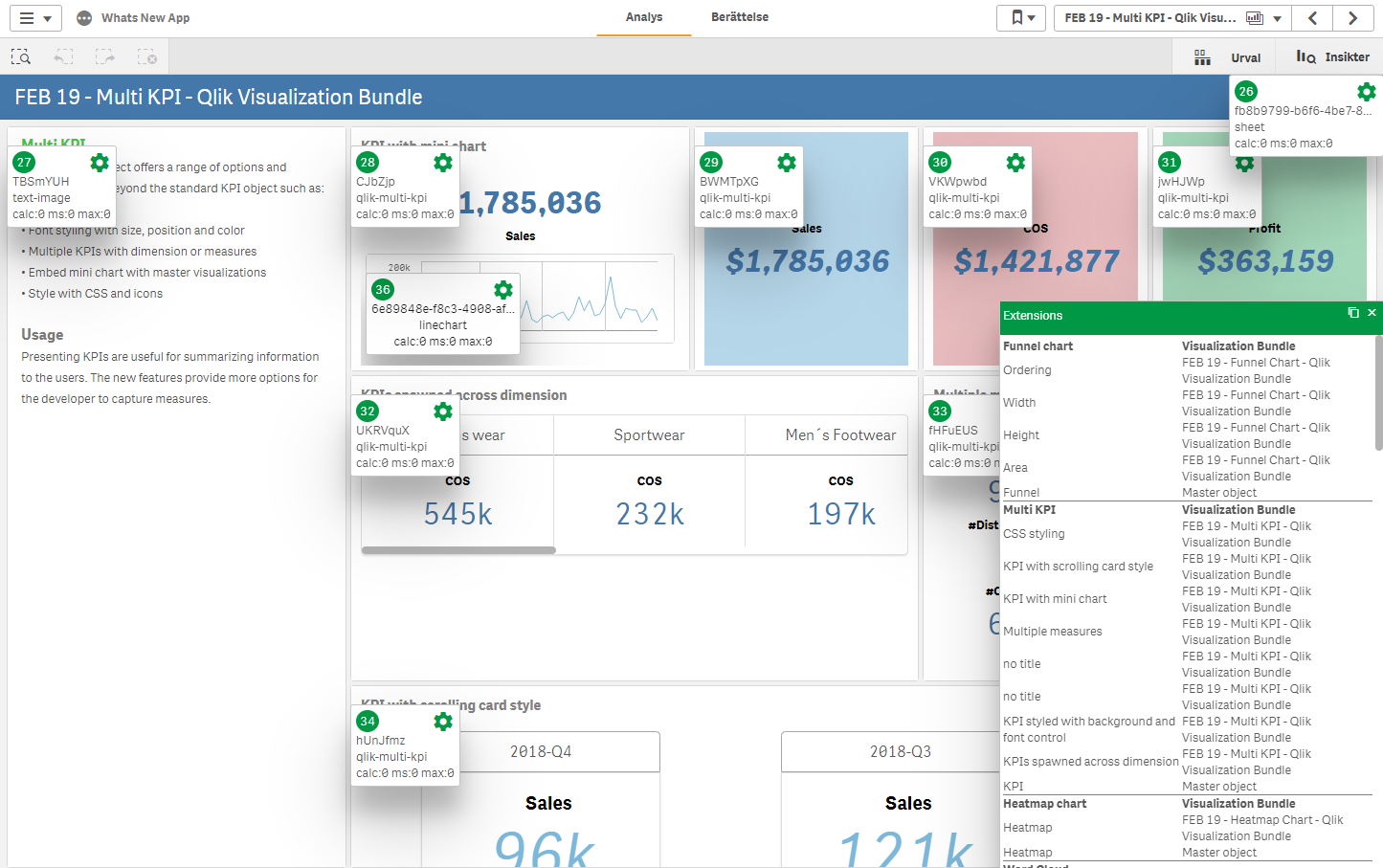
You can also easily see what extensions and charts are used in your app.
Just click on the extensions button in the app info box.
You will get a list of all axtensions and built-in charts are used in your extension, with title and sheet title
Master objects are also included.
The extension can also help you find performance problems.
When you enable the extension on a page, whether it's the standard client or a mashup, it will start recording recalculation times.
Every time an object is revalidated then extension will register time elapsed for recalculation.
It will also count how many revalidations has occured.
If the object is no longer on the screen, the extension will continue to monitor recalculations, so when you re-enable it you will get all the statistics.